


 support@ourpetsplace.com
When your dog circles the room but cannot seem to settle, the hard floor or a flattened bed may be adding to their discomfort. An orthopedic dog bed offers a more supportive place to rest, especially for senior dogs, large breeds, and pets with mobility changes.
Explore supportive dog beds and practical comfort essentials.
An orthopedic dog bed uses supportive foam to distribute a dog's weight and cushion pressure points. It may improve everyday comfort for senior dogs or pets with mobility issues, but it is not a medical treatment. Ask a veterinarian about persistent pain, limping, stiffness, or sudden movement changes.
The right choice depends on foam construction, size, entry height, sleeping style, and ease of cleaning. This guide explains what to compare before you buy.
What is an orthopedic dog bed?
An orthopedic dog bed is a type of pet bed made to give extra support to a dog's bones and joints. While many brands use this name, it often means the bed has a special foam core. This layer helps hold a dog's weight better than a common stuffed bed. These beds are often a top pick for older pets or those with joint pain.
Support through foam and fill
Most cheap dog beds use polyfill or cotton batting. These items are soft at first but can flatten out quickly over time. An orthopedic and memory foam bed is not the same because it uses solid foam layers. High-quality beds often use true memory foam that reacts to a dog's body heat.
This foam molds to the shape of the pet. It helps spread their weight across the whole surface. This stops "bottoming out" where the dog's joints press against the hard floor. This kind of supportive mattress is a key tool for pet owners who want to help their dogs rest well.
Helping senior dogs and joint health
As dogs age, they often deal with health issues like arthritis or hip dysplasia. Joint pain can make it hard for them to get a deep sleep. An orthopedic dog bed works to relieve pressure points on the hips, knees, and spine. This can make a big change in how a dog feels during the day.
Helping a dog stay at ease is part of what experts call environmental change. This is a basic part of managing canine osteoarthritis and other joint conditions. By changing the way a dog rests, you can help them keep a high quality of life for a longer time.
Design features for easier use
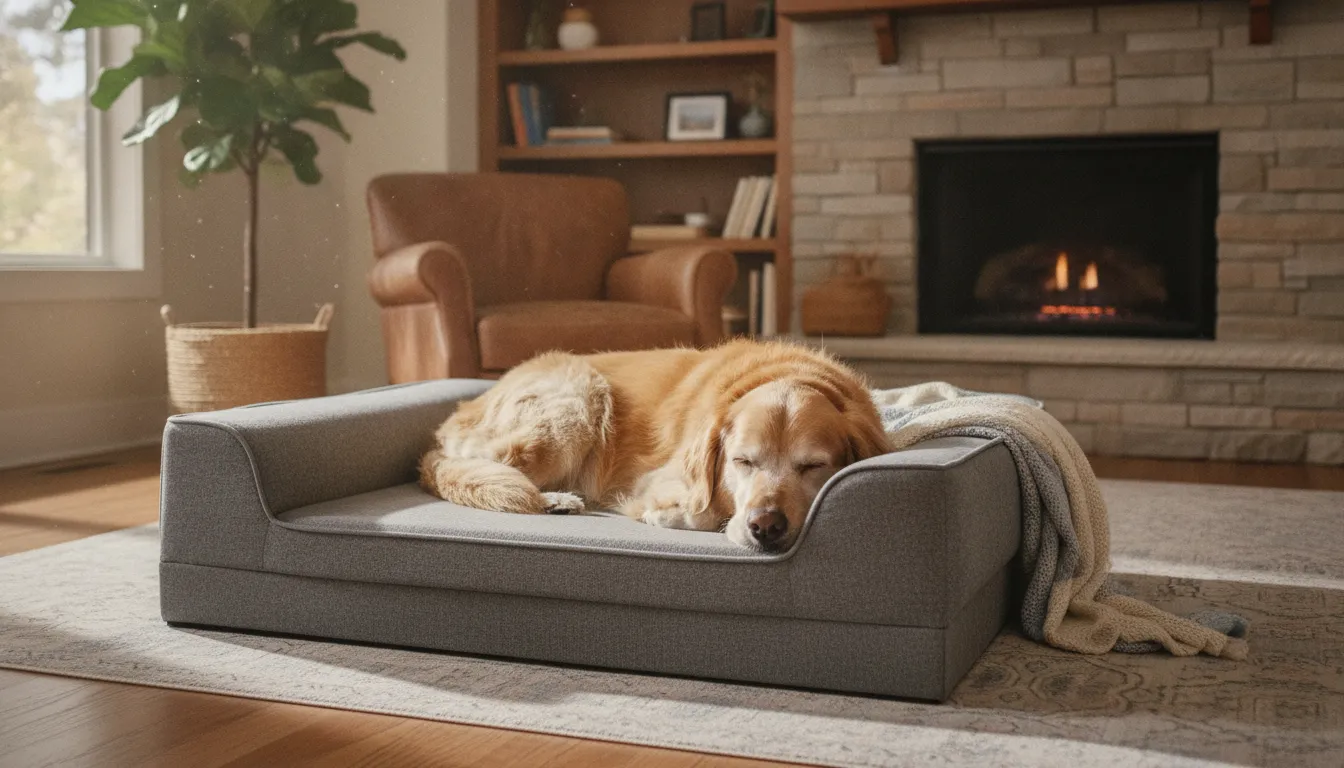
Not all beds are built the same way. You should think about how your dog likes to sleep before you buy. Some beds come with raised edges called bolsters. These can act like a pillow for a dog's head or neck. Other dogs prefer to lay flat, so a simple mattress style might be best.
For dogs with bad joints, getting into a high bed can be hard. Many orthopedic beds now have:
- Low entry points for easy access.
- Dips in the side bolsters to help pets step in.
- Non-slip bottoms to keep the bed from sliding on wood floors.
What to expect from these beds
It is vital to know that these beds are not a medical cure. They are supportive tools that add to a dog's daily comfort. You should always talk to your vet if your dog shows signs of pain or has trouble moving. They can help you make a full plan to keep your pet healthy and happy. You can also shop orthopedic dog beds to find a value-priced option for your home.
Which dogs may benefit from extra support?
Most dogs can sleep in almost any spot, but a soft floor or a thin rug is not always enough. Some pets need a bed that does more than just stay soft. An orthopedic dog bed uses thick foam layers to give a dog's body firm support while they rest. This type of bed is a smart way to help your pet stay cozy for a long time. It helps them feel better after a long nap or a full night of sleep.
Support for older dogs
As dogs get older, their bodies start to change. Many senior dogs face joint issues like arthritis or hip dysplasia. These health issues can make it hard for them to move or find a good spot to sleep. Studies show that environmental modification is a key part of handling joint health in dogs. This includes choosing a bed that helps reduce pain and keeps the dog's body in the right shape.
A good bed for a senior dog should not use soft cotton or wool batting. Instead, look for a bed with a solid foam base. This firm foam keeps the dog from sinking through the bed and hitting the hard floor. It helps take the pressure off their sore joints. This can be a big help in how they feel when they wake up in the morning.
Large breeds and active pets
Large and giant dog breeds have special needs because of their size. Their heavy frames put a lot of stress on their hips and elbows every day. If they sleep on a bed that is too soft, their weight will push right through the padding. This can cause more pain over time. A firm mattress helps spread out their weight. This stops pressure points from forming on their skin and joints.
Active dogs also benefit from a firm place to rest. Working dogs or pets that spend all day running need time for their muscles to rest. A good bed helps their body relax fully. When you shop dog supplies, look for beds that do not sink easily. It gives them a stable spot where they can rest without moving around too much. This helps their body get well while they stay at ease.
Dogs that find it hard to move
For some dogs, the hardest part of sleep is getting in and out of the bed. Dogs with short legs or bad joints may struggle with high sides or thick bolsters. You should look for a bed with a low entry point in the front. This lets the dog walk right onto the bed without having to hop or jump. It makes the bed much safer and easier for them to use every day.
You can learn more about these parts in our guide to orthopedic and memory foam beds. Choosing the right shape depends on how your dog likes to sleep. Some dogs love to curl up against a wall, while others want to stretch out flat. Always watch how your pet rests to find the best fit. If you see your dog limping or acting like they are in pain, talk to a vet. A vet can check for health issues and help you find a plan to keep your dog happy.
How do orthopedic dog bed materials compare?
Choosing the right bed for your pet starts with the parts inside. Most standard beds use wool or soft fill. While soft, these types do not give much help to bones and joints. An orthopedic and memory foam bed is different because it uses layers of foam to spread a dog's weight. This helps take pressure off sore spots.
The role of foam density and support
The term orthopedic is not a set industry rule. It mostly means the bed offers extra support for older dogs. High-density foam is the most common type used for this. Unlike soft fill, foam does not flatten over time. It keeps its shape to help dogs with joint issues like arthritis or hip dysplasia. Using a proper strong mattress is a key part of making a restful space for your pet.
Density matters for large breeds. Heavier dogs need thick foam so they do not sink through to the hard floor. A good bed will have a firm base layer. This base stops the foam from bottoming out under the dog's weight. It keeps the spine in a straight line while they rest. Without this firm base, a heavy dog might feel the cold, hard floor beneath them.
Memory foam vs egg-crate foam
True memory foam is a top choice for pressure relief. It reacts to heat and weight to mold to your dog's frame. This helps even out the load on their limbs. It is great for senior dogs who spend a lot of time lying down. Since it holds its form, it provides unique help that other foams cannot match. But true memory foam can often trap heat.
Egg-crate foam has a bumpy surface like an egg carton. It is often less costly than solid memory foam. The bumps allow air to flow, which keeps the bed cooler. It provides good help for many pets but may not be as thick as solid layers. For dogs with severe pain, solid foam is usually the better pick for long-term use.
Layered designs and bolster support
Many beds use a layered design for the best results. They might have a firm support foam on the bottom and soft memory foam on top. This mix gives both comfort and a strong base. Some beds also include bolsters. These are raised edges that act like a pillow. They are helpful for dogs that like to rest their head or neck on something firm. Bolsters also create a sense of safety for pets that like to curl up.
But bolsters are not for every dog. Pets with deep joint pain might find it hard to step over a high edge. In these cases, look for a bed with an easy-access dip in the front. This lets the dog walk right in without lifting their legs too high. Making changes at home is a big part of care for your dog's joints over time.
| Material | Support Level | Best For | Lifespan |
|---|---|---|---|
| Memory Foam | High | Joint pain and pressure relief | High |
| Egg-Crate Foam | Medium | Airflow and budget needs | Medium |
| Support Foam | High | Large breeds and base layers | High |
| Polyfill | Low | Young or healthy pets | Low |
Always talk to a vet if your dog has chronic pain. A bed is a helpful tool, but it is not a medical cure. Buying a strong bed is a way to help your pet's daily comfort and long-term health.
How to choose the right size and shape
Choosing a bed that fits your dog is vital for their health. An orthopedic dog bed must give full support to the spine and joints. If the bed is too small, your pet may hang off the edges. This can lead to pain or poor sleep. You want your dog to feel safe and held by the foam. When you shop orthopedic dog beds, look for a size that matches their rest style.
Measure for the right fit
Do not guess your dog's size based on their breed alone. Dogs of the same breed can vary a lot in length and weight. To get the best fit, you should measure your pet while they are in their sleep pose. This makes sure the bed has enough space. Proper bedding is a key part of helping joint health and daily comfort for all dogs. A bed that is too short will not help a senior dog rest well.
Sleeping styles and bed shapes
How your dog sleeps tells you which shape to buy. Some dogs like to curl into a tight ball. These pets often feel best in round or oval beds with raised sides. Other dogs like to stretch out flat on their sides. These dogs need a large, flat mat or a big bed. Bolster beds are great for dogs that like a place to rest their head. The shape should help the dog stay on the foam all night.
- Measure your dog. Wait until your pet is asleep and calm. Use a soft tape to measure from the nose to the tail.
- Add extra space. Take your first number and add six to ten inches. This gives your dog room to shift or stretch without falling off the bed.
- Check the width. Measure your dog across the widest part of their body while they lie on their side. Add a few inches to this number as well.
- Look at foam depth. For large dogs, the foam should be at least four inches thick. This stops the dog from feeling the hard floor through the bed.
- Test the entry. If your dog has stiff joints, look for a bed with a low front. A high edge can be hard for a sore dog to step over.
Think about where the bed will go in your home. A bed that is too big might block a path or trip you up. But a bed that is too small will not give the joint support your dog needs. Senior dogs often spend more time resting, so the right fit is the main goal. Take your time to measure well before you buy.
Features worth comparing before you buy
Buying a good orthopedic dog bed is a smart move for your pet's health. You want a bed that lasts and keeps your dog comfy. The lowest price is not always the best deal if the bed wears out fast. Low-cost beds often use thin foam that goes flat after just a few weeks of use. Instead, look for key parts that add real value and make care easy for years to come. Buying a good bed now saves you money in the long run because you won't need to buy a new one as often.
Cleaning and cover options
A clean bed helps your dog stay healthy and free from germs. Look for a bed with a cover you can take off and wash in a machine. This makes it simple to get rid of dirt, hair, and smells that build up over time. It is also wise to learn more about orthopedic and memory foam beds and if they offer spare covers. Having a new cover on hand means your dog has a soft place to rest while the other one is in the wash. This is very helpful for pet owners who want to keep their home smelling fresh.
A waterproof liner is another top feature to look for in a bed. It sits under the outer fabric cover and keeps the foam safe from spills or messes. This keeps the core of the bed dry and stops mold or bad smells from building up inside the foam. Proper care of the bed helps when caring for joint health and daily comfort for your dog. Experts say that a clean home is a key part of managing orthopedic health for pets of all ages.
Safety and build quality
The way a bed is made tells you a lot about how long it will last. Check the seams to ensure they are strong and have good stitching. Weak seams can pop open if your dog likes to dig or nest before they lie down. You should also look for safe zipper placement on the cover. A zipper that is tucked away in a fabric fold won't scratch your wood floors or catch on your dog's fur. This small detail keeps your pet safe and protects your home from damage.
A non-slip base is vital for older dogs with weak joints or balance issues. If the bed slides when your dog tries to stand up, they could trip or hurt themselves. A base that stays in place gives them the grip they need to move with ease and trust. This support is very helpful for senior dogs who may have joint pain or stiffness. While a good bed helps, you should always get veterinary teaching hospital advice if your dog has mobility issues or trouble walking.
Air flow and long-term use
Light fabrics help your dog stay cool and comfy while they sleep. Many thick foam beds can get hot, which makes some dogs restless or prone to panting at night. A bed that lets air move through the cover and foam will keep your dog from getting too warm. This leads to better rest and less tossing and turning in the middle of the night. Choose a bed that uses strong foam so it does not go flat or lose its shape. A thick, firm bed ensures your dog does not sink down to the hard, cold floor.
How to care for an orthopedic dog bed
A good orthopedic dog bed is a big help for your pet's daily life. Proper care keeps the bed fresh and makes it last much longer. By following a few easy steps, you can ensure your dog gets the support they need every single night. Regular cleaning also helps maintain a healthy space, which is vital for dogs with joint issues or those prone to accidents.
Washing the outer cover
Most quality beds come with a removable outer cover. You should wash this cover once a week to remove hair, dirt, and smells. Use a mild soap and cold water to keep the fabric from shrinking. Always check the tag for clear rules on heat, as high heat can damage some fabrics. Keeping the cover clean is a simple way to protect the thick foam inside from getting dirty over time.
If your dog has thin skin or allergies, use a soap with no scent. This helps prevent skin irritation during rest. After washing, let the cover air dry or use a low heat setting. A fresh cover makes the bed more inviting and helps your pet stay cozy. For the best results, you can also shop orthopedic dog beds that feature water-resistant materials for easier upkeep.
Cleaning the foam core
The thick foam is the core of any orthopedic bed. You should never put the foam in a washing machine, as this can ruin the support it provides. Instead, spot clean the foam with a damp cloth and a bit of mild soap if it gets a stain. Ensure the foam is fully dry before you put the cover back on. Trapped moisture can lead to mold, which is bad for your pet's health.
Many owners use a waterproof liner to keep the foam safe. A liner blocks spills and accidents from reaching the foam core. This is a smart move for senior dogs or puppies who are still learning. Using a liner means you only have to wash the outer layers, which saves you a lot of time and work. Proper care ensures the bed stays a great part of managing your dog's daily comfort.
Rotating and replacing the bed
You should flip or rotate the bed once a month. This helps the foam wear down in an even way. Rotation prevents flat spots from forming where your dog sleeps the most. If you see that the foam does not spring back after use, it may be time for a new one. A flat bed cannot give the joint support your dog needs to rest well.
Check the bed often for signs of wear and tear like rips or sagging. Most beds need to be replaced every few years to keep giving top support. Keeping a fresh bed is a key way to help your dog stay happy and active as they age.
Helping your dog settle into a new bed
Bringing a new orthopedic dog bed home is a big step for your pet. While some dogs jump right in, others may need a slow start. A new bed feels and smells different than their old one. You can help your dog feel at ease by placing the bed in a spot they already know. Adding a soft blanket or a favorite toy can make the new foam feel less strange.
Making the bed feel like home
Dogs use their sense of smell to find safe spaces. A new bed may have a crisp scent that feels cold to a pet. You can fix this by rubbing your hands on the cover or letting them lay on an old rug first. If your dog seems shy, try giving them a treat when they step onto the bed. This builds a link between the new spot and a happy reward.
Choosing the right type of foam is also key for long-term use. Many pets find comfort in orthopedic and memory foam beds because they mold to the body. If the foam feels too firm at first, give it a few days to soften up. Most dogs will learn to love the way the bed holds their weight once they get used to the feel.
Watching for better rest
Once your dog starts to use the bed, keep a close eye on how they sleep. A good bed should keep their spine straight and their joints off the hard floor. Look for a relaxed pose and deep sleep. You can check for a few signs to see if the bed is a good fit:
- Your dog can stretch out all their limbs.
- They stay on the bed for the whole night.
- They do not pant or seem hot while resting.
- Their weight does not cause the foam to touch the floor.
Proper bedding is a vital part of orthopedic health and daily comfort for dogs. If your dog still seems to struggle after a week, check the size. A bed that is too small will not give the full support they need. Your dog should be able to stretch out without any limbs touching the floor.
Knowing when to call the vet
A good bed is helpful, but it cannot fix deep health issues. Watch for signs of pain that a bed alone cannot solve. If your dog is slow to stand or has stiff legs in the morning, they may have joint pain. Being slow to climb stairs or jump on the couch are also signs that something is wrong.
Joint diseases like osteoarthritis need a full plan for care from a vet. This may include therapy, diet changes, or medicine. While an orthopedic dog bed gives relief, it is only one tool in your kit. If you see your dog limping or losing muscle, book a check-up right away. Check the foam for flat spots or dips every few months to ensure your dog gets the best rest it can.
Frequently Asked Questions
Do dogs like orthopedic dog beds?
Most dogs find the added support and comfort of orthopedic foam to be very helpful. These beds fit their bodies, providing a cozy and secure place to rest. According to Our Pets Place, these materials are often a favorite for pets who struggled to get comfortable on thin, basic cushions. They offer a much better sleep surface than standard floor mats.
Can orthopedic beds be used in dog crates?
Yes, orthopedic pads are often made to fit standard dog crates. Using a supportive pad in a crate can provide much comfort during long periods of stay. This is very helpful for dogs healing from surgery. As noted by Our Pets Place, these pads help your pet get steady joint support while they are in their crate for resting or travel.
Should I consult a vet before buying an orthopedic bed?
It is a good idea to talk to a vet if your dog has mobility or joint issues. A vet can help you understand your pet's needs and give advice on the best type of support. According to the WSU Veterinary Teaching Hospital, joint health needs a broad plan. This includes changes like good bedding to help with daily comfort and overall wellness.
What is the best orthopedic bed for a dog?
The best bed depends on your pet's needs, such as their size, sleeping style, and health. You should look for features like thick foam that keeps the dog from touching the hard floor. According to Our Pets Place, a bed with a strong design and a zip-off cover helps your pet stay comfortable. It also keeps the bed clean for many years of use.
Ready to find the right support for your dog?
Waiting too long to upgrade your pet's bed can lead to poor rest and more joint stiffness over time. Starting with the right support now helps your dog stay mobile and comfortable during their senior years. You can get the quality support they need without the high retail price tag.
Ready to shop popular pet products and trending deals? View our full collection to contact our team and find the best value for your home.


