


 support@ourpetsplace.com
A bowl is simple and silent, but a cat water fountain adds moving, filtered water that may better match the preferences of curious or selective drinkers. This side-by-side buying guide compares the real tradeoffs, including cleaning time, pump noise, filter costs, placement, and backup needs, so you can choose a practical setup for your cat and routine.
Compare the automatic circulating pet water dispenser at Our Pets Place.
Choose a bowl when you want the simplest, quietest, lowest-maintenance option and can refresh it daily. Consider a cat water fountain when your cat prefers moving water and you are comfortable cleaning a pump and replacing filters. Unlike our fountain-focused guides, this comparison evaluates both options equally to help you make a confident purchase decision.
The right choice depends on your cat's response to each water source and the care routine you can maintain. Start with a direct comparison of the two setups.
Cat water fountain vs bowl: the quick comparison
A bowl is silent, portable, and quick to wash, while a cat water fountain circulates water through a pump and usually a filter. Fountains add parts, sound, and recurring care. Bowls demand frequent refreshing. The better choice is the one your cat uses and your household can clean consistently.
Comparing water flow and maintenance
The main difference between these two options is how the water stays fresh. A standard bowl holds still water, which can collect dust or fur quickly. You must wash and refill it at least once a day to keep it clean. In contrast, an automatic cat water fountain uses a pump to keep water moving. This flow helps keep the water from becoming stagnant. However, fountains do require a power source and regular filter changes to stay in top shape.
Bowls are quicker to clean because they have no pump or internal channels. Fountains offer moving water that may attract a cat that ignores a still bowl, but they require more detailed care. Whichever setup you choose, provide fresh water frequently and monitor your cat's normal drinking habits. You can compare value-focused pet supplies in our trending deals.
The right choice for your lifestyle
The table below breaks down the key features of both options. Think about your cat's habits and how much time you have for cleaning each week. If you want a simple, low-cost setup, a high-quality bowl is hard to beat. If you want to help your cat to drink more, a fountain is a great upgrade.
| Feature | Standard Bowl | Cat Water Fountain |
|---|---|---|
| Water Movement | Still and stagnant | Continuous flow |
| Power Needed | None | Electric outlet or battery |
| Noise Level | Silent | Soft hum or trickling sound |
| Cleaning Task | Daily wash and refill | Deep clean every 1-2 weeks |
| Filters | None | Replaceable carbon filters |
| Best Fit | Budget-conscious owners | Picky drinkers and busy owners |
Why choose a cat water fountain instead of a bowl?
Choose a cat water fountain over a bowl when your cat shows interest in moving water and you can commit to pump and filter care. A fountain adds circulation and catches debris, while a bowl remains simpler and silent. Your cat's preference, not the feature list alone, should guide the decision.
Picking between the two often comes down to what your cat likes. You should also think about how much time you have for care. While a bowl is easy to fill, a fountain offers fresh water that stays clean for days.
Why cats prefer moving water
Many cats have a strong pull toward running water. In the wild, moving water is usually cleaner and safer to drink than still puddles. A cat water fountain matches this simple flow.
Still water in a bowl can quickly collect dust, fur, and food bits. This can make the water taste bad or feel slimy to your pet. Moving water also stays cooler because of the constant air flow.
Some cats may also like the sound and sight of the water stream. This helps keep indoor pets active and happy. If your cat often plays with the sink tap, they might find a fountain more fun.
Better cleaning and less stress
A fountain can help solve the problem of whisker stress. This happens when a cat's soft whiskers touch the sides of a deep or narrow bowl. Many fountains have wide surfaces that let your cat drink without their whiskers touching the edges.
This can make drinking a calmer task for a shy pet. Keeping the water clean is also easier with a fountain. Most models use a filter to catch hair and dirt. This means the water stays clear for a longer time.
You should still clean the pump and tank once a week. But the fountain feature overview explains less daily filling. This saves you time while keeping your pet happy.
- Filters: Catch debris and may reduce unwanted tastes and smells from tap water.
- Large tanks: Hold more water, so you do not need to refill them as often.
- Stainless steel: Resists scratches and is easy to wash.
Fitting a fountain into your routine
Switching from a bowl to a fountain might seem like more work, but it often saves time. A large tank can hold enough water for several days. This is helpful for busy owners who might forget to top off a small bowl.
Most modern fountains are quiet and use little power. You can place them near a wall outlet in a quiet corner where your cat feels safe. This makes them a great fit for any home layout.
Using an automatic cat water fountain also helps you track how much your pet drinks. Since the water level is easy to see, you will know right away if your cat is drinking less than usual. This helps you keep a close eye on their daily habits without much effort.
Which option is easier to clean and maintain?
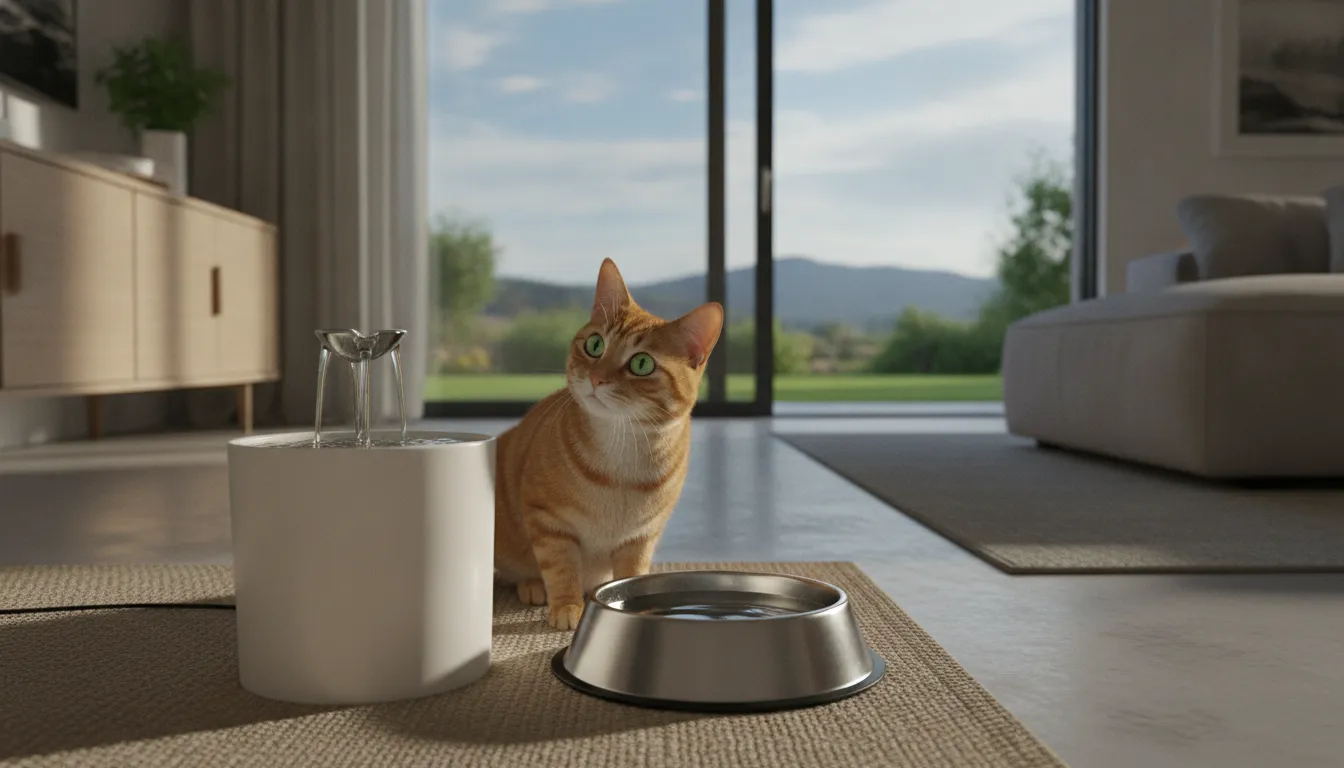
A water bowl is easier to clean because it has one open surface and no motor, filter, or tubing. An automatic cat water fountain requires disassembly and detailed pump care, but its moving water catches debris between cleanings. Pick the routine you can complete consistently rather than the option with the longest feature list.
Daily bowl care
A basic water bowl is the simplest choice for quick cleaning. You can dump the old water and wash the dish with mild soap in just a few minutes. Many pet owners like this because it fits easily into a daily plan. Since there are no moving parts, you do not have to worry about a motor or small tubes. Stainless steel bowls are often best because they are hard and resist scratches where germs can grow.
But a simple bowl can get dirty fast. Hair, dust, and food bits fall in and stay there. This means you must provide fresh water frequently to keep it appealing for your cat. If you forget to change the water, it may become stagnant and grow slime or germs. Most pros say you should do a full scrub every day to keep the water as clean as possible.
Advanced fountain care
A fountain takes more work but keeps the water moving and clean. This helps stop the water from sitting still, which can prevent slime from building up as fast. You will need to take the unit apart to reach the pump and inside walls. This task takes more time than a bowl but is key for the device to last a long time. You should always read the owner's guide to find the best way to clean your exact model.
Most models use a small pump that needs a deep clean every few weeks. You must also check the filters often. These parts help keep the water clear by catching fur and bits, but they can clog if they are left too long. Often, care helps the fountain run quietly and keeps the water fresh for your pet. Using a small brush can help you reach into the tiny gaps where the pump pulls in water.
Steps for a deep clean
Keeping a fountain in good shape involves a few extra steps compared to a dish. Follow these steps to keep your device working well:
- Unplug and empty: Unplug the unit and pour out any remaining water.
- Disassemble: Take apart the tank, tray, and pump according to the owner's guide.
- Inspect the filter: Replace it when directed by the manufacturer.
- Wash surfaces: Clean the appropriate parts with warm water and mild soap.
- Brush the pump: Reach tight spots where grime can collect.
- Rinse thoroughly: Make sure no soap remains.
- Reassemble and refill: Put the pieces back together and add clean water to the fill line.
Choosing your routine
Keeping a steady supply of fresh water is a top goal for feline health and bodily functions. While fountains need a bit more work, the reward is a cleaner drink for your cat. Many owners find that the perks of a moving-water fountain guide are worth the extra few minutes of work each week. If you have a busy life, a bowl might be easier. If you want the best water quality, a fountain is the clear winner.
How much noise does a cat water fountain make?
A cat water fountain usually produces a low pump hum plus the sound of flowing water, while a bowl is silent. Noise varies by design, water level, cleanliness, and floor surface. A suddenly louder fountain often needs more water, pump cleaning, or a soft mat beneath its base to reduce vibration.
Common sound sources
The main sound in any fountain comes from the power pump. This pump moves the water through the filter and up to the surface. A good pump makes a low, steady hum that stays in the background. You may also hear the sound of water as it falls back into the tank. Some people find this trickling sound peaceful, while others may find it noisy. If you want a silent home, look for a model where the water flows down a ramp instead of dropping through the air.
Vibration is another source of noise. If the fountain sits on a hard floor, movement from the pump can turn a quiet hum into a noticeable buzz. A small mat under the base may reduce that vibration. Review the design and care requirements of the automatic circulating pet water dispenser before deciding whether it suits your space.
Dealing with pump noise
If your fountain starts to get loud, it is usually a sign that it needs help. The most common cause of a loud pump is a low water level. When there is not enough water, the pump sucks in air. This creates a loud sucking or grinding sound. You should check the water level every day to make sure the pump stays under the water. Keeping the tank full is the easiest way to ensure the device stays quiet.
Dirt and hair can also make the pump work harder. Over time, waste can clog the small parts inside the motor. This buildup causes the pump to struggle and grow louder. Regular cleaning is the key to a long life and a silent fountain. You should take the pump apart and rinse the small fan inside every few weeks. This simple step stops noise before it starts and helps the motor last much longer.
Fountains vs. silent bowls
A standard water bowl is totally silent because it has no moving parts. But still water can gather dust and grow slime quickly. Many cats do not like to drink from still water. The Cornell Feline Health Center says that clean and moving water is often better for cats than a still bowl. This added appeal is one of the main fountain features for selective drinkers.
- Standard bowls: Silent, simple, and easy to refill.
- Fountains: Circulate water but add a soft motor sound.
- Pump noise: Often increases when the water is low or the pump needs cleaning.
- Vibration pads: Can reduce buzzing on wood or tile floors.
Choosing between a bowl and a fountain depends on your cat. If your pet is picky, the soft sound of a fountain is a small price to pay for better health. Most cats adjust to the new sound in just a few days. Once they learn that the noise means fresh water, they often prefer it over a silent bowl.
What should you know about fountain filters?
Cat fountain filters catch hair, food particles, and other debris before they reach the pump, and some include carbon intended to reduce unwanted tastes or odors. Filters are recurring supplies, not substitutes for cleaning. Before buying, check replacement availability, the maker's change schedule, and whether the pump is easy to access.
This step is key for keeping the motor safe from clogs. It also helps to maintain clean water that your pet wants to drink. A good filter can make the water taste better by removing odd smells or tastes from the tap.
How the filters work
There are two main types of parts in a filter. A foam layer stops large bits like fur or dirt from getting into the pump. Below that, a carbon layer uses small bits of coal to trap tiny items that cause bad smells.
This dual system is why an automatic cat water fountain stays so fresh. It acts like a small water plant right in your home. By taking out these small things, the filter helps the water stay clear for a long time.
The need for regular changes
You cannot just set a filter and forget it. These parts get full over time and stop working as well as they should. Most pets need a new filter every two to four weeks. If you have many cats, you will likely need to swap them out more often.
When a filter gets too old, it can grow slime or trap so much dirt that the pump has to work harder. This can lead to a broken motor or noisy sounds. Regular water care is the best way to keep your unit running for years.
Shopping for filter parts
When you buy a fountain, look at how much the filters cost. Some units use special pads that only one brand sells. These can be more costly over time.
Others use simple shapes that many shops carry at a low price. It is smart to check the price of a six-month supply before you pick a model. This helps you know the true cost of the device. Many people find that the pet fountain overview useful when weighing recurring filter purchases.
Comparing costs with water bowls
A standard water bowl is the most low-cost choice. It has no moving parts and does not need a filter at all. You just need to wash the dish with soap and water each day.
This means you save money on both the parts and the power to run a pump. But bowls can gather dust and hair quickly because the water is still. If your pet is picky, they might not like the taste of water that has been sitting out. While bowls are cheaper, they do not offer the same level of flow and cleaning that a fountain provides.
Shop practical cat supplies at Our Pets Place.
How to choose the right setup for your home
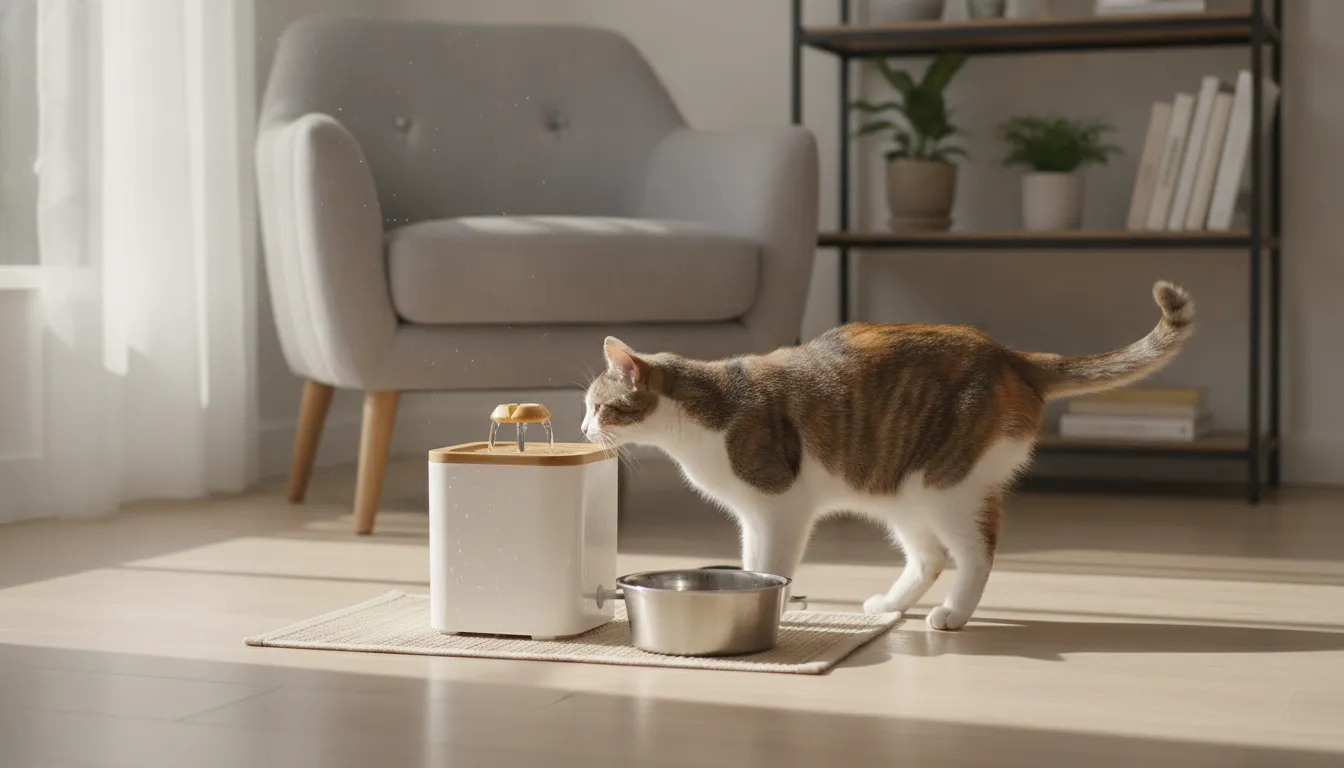
Choose a water setup by matching its material, capacity, placement, and care requirements to your household. Consider how many pets will use it, whether an outlet is nearby, and how easily you can inspect and wash every part. The best purchase is one your cat accepts and you can maintain consistently.
Choose the best material
Most cat water fountains come in plastic, ceramic, or stainless steel. Each type has its own perks. Plastic models are often the best for low budgets and are light. They work well but can scratch over time. Germs might grow in these small marks, so you must clean them often.
Ceramic and stainless steel are top picks for many owners. Ceramic is heavy and stable. This is great if your pet likes to push things around. Stainless steel is tough and stays clean with ease. Many people see the pet water fountain guide when comparing materials because it resists germs. This choice can help keep the water fresh for your furry friend.
Consider size and tank space
The size of the tank is a big deal, mostly for homes with many pets. A small cat might only need a small bowl, but a large pet needs more. Experts at the Cornell Feline Health Center say cats should drink about one cup of water each day. If you have many pets, look for a model with a large tank.
Large tanks mean you do not have to fill the unit as often. This saves you time and ensures your pets always have a drink. Some models hold over 100 ounces, which is perfect for busy homes. Check for a tank that is easy to see through so you can check the water level at a glance.
Check for easy care
A cat water fountain needs regular care to work well. You will need to clean the pump and change the filters every few weeks. Before you buy, check how easy it is to take the unit apart. Models with few parts are usually easier to wash in the sink or dishwasher.
Look at where the cord goes and how the pump fits inside. Some units have a cord that unplugs from the base. This makes it easier to carry the tank to the sink. You also need to think about the cost of new filters. Buying a unit that uses common, low-cost parts will save you money in the long run. Keeping up with proper pet care means checking these small details before you buy.
When is a water bowl the better choice?
A bowl is the better choice when you value silence, portability, easy daily washing, and no recurring filter purchases. It also works well as a backup during travel or a power outage. Choose a wide, easy-to-clean bowl, refresh it regularly, and place it where your cat feels comfortable drinking.
Budget and easy care
The biggest plus of a simple bowl is the low cost. You buy it once and never have to pay for it again. A cat water fountain often needs new filters every few weeks to stay clean. These costs can add up over a year. Bowls also do not use any power, so they will not change your light bill. For owners who want to save money, a simple bowl is a win.
Cleaning a bowl is also much faster than scrubbing a fountain. You can wash a bowl in the sink in less than a minute. Fountains have small parts, pumps, and tubes that take more time to take apart. If you have a busy life, you might find a bowl easier to keep fresh each day. Just make sure to change the water often so it stays cool and clean for your pet.
Travel and moving around
A water bowl is the best choice when you travel with your cat. You can pack it in a bag and use it anywhere. You do not have to look for a plug or worry about a pump getting loud in a new place. Bowls are also great for cats that like to eat and drink in different spots. You can set up many water spots around your house without buying many pricey tools.
Some cats are very shy or jump at new noises. The hum of a motor might keep them away from their water. If your cat stops drinking when you set up a new tool, go back to a bowl. It is vital for cats to get enough water to keep their organs healthy. Experts at Cornell say a ten-pound cat needs about one cup of water every day to stay well.
Using both at home
You do not have to pick just one option. Many pet owners use both a bowl and a fountain. A bowl can act as a safe backup if the power goes out or the pump breaks. This ensures your pet always has a way to drink. You can learn more about the how pet fountains work while keeping a bowl nearby for peace of mind.
Placing a bowl in a quiet room and a fountain in the kitchen gives your cat choices. This can help them drink more water, which is good for their health. If you are ready to try a new setup, you can shop best sellers to find the right fit for your budget. Having two ways to drink makes it easy to keep your cat happy and active.
Frequently Asked Questions
These quick answers cover the practical questions shoppers ask most when comparing a cat water fountain with a bowl. Use them to plan cleaning and filter care, compare common materials, and evaluate a wide drinking surface. Always follow the instructions supplied with the specific fountain or bowl you choose.
How often should you clean a cat water fountain?
Follow the cleaning schedule in your fountain's owner's guide. About once a week is a practical starting point for many models, but visible debris, multiple pets, and the design may call for more frequent care. Disassemble and wash every approved part, including the pump, and refresh the water regularly between deeper cleanings.
How often do you need to replace filters in cat water fountains?
Replace cat water fountain filters according to the manufacturer's schedule, often every two to four weeks depending on the model. Check them regularly because debris, multiple pets, and water conditions can affect how quickly they clog. A filter does not replace routine washing of the tank, drinking surface, and pump.
Are stainless steel cat water fountains better than plastic?
Stainless steel fountains can be a practical choice because the material is durable, resists scratches, and is easy to wipe clean. Plastic models are often lightweight but may scratch over time. Material is only one buying factor, so also compare pump access, replacement filters, capacity, noise, and the manufacturer's cleaning instructions.
Do cat water fountains reduce whisker stress?
A wide fountain drinking surface may reduce contact between a cat's whiskers and the sides of a narrow dish. Cats have individual preferences, so watch how your cat responds rather than assuming a fountain will be more comfortable. A wide, shallow bowl can also limit whisker contact without adding a pump or filter.
Find a Practical Water Setup for Your Cat
The best water setup fits your cat's preferences and a care routine you can maintain consistently. A bowl wins on simplicity, silence, and portability. A cat water fountain adds moving water, a pump, and filters for shoppers ready for extra upkeep. Compare the tradeoffs, then choose the practical match.


