


 support@ourpetsplace.com
Your dog's favorite toy may cross the living room, backyard, food bowl, and mouth before lunch. Knowing how to clean dog toys safely helps remove everyday grime without leaving harsh residue or damaging the material. The best method depends on whether the toy is plush, rope, rubber, plastic, a puzzle, or electronic. A quick inspection before every wash also tells you when cleaning is no longer enough.
Explore dog toys and practical pet essentials at Our Pets Place.
This guide gives you a repeatable routine, material-specific instructions, and clear replacement signs. Always check the care label or manufacturer's directions first because those instructions take priority over general cleaning advice.
How to clean dog toys safely: the quick answer
Sort toys by material, remove loose debris, wash with mild fragrance-free soap and warm water, rinse completely, and let each toy dry all the way before returning it to your dog. Machine-wash durable plush and rope toys when their care labels allow it. Hand-wash rubber, plastic, puzzle, and electronic toys.
The key is matching the cleaning method to the toy. Waterlogged plush toys can develop musty odors. High heat can warp rubber or plastic. Electronic toys can stop working if their battery compartments get wet. A two-minute inspection before washing prevents most of these problems.
| Toy material | Best general method | Main caution |
|---|---|---|
| Plush | Machine wash in a mesh bag, if allowed | Confirm stuffing and seams are intact |
| Rope | Machine wash or soak and hand wash | Dry the center completely |
| Rubber or nylon | Hand wash with a soft brush | Avoid damaging heat |
| Hard plastic | Hand wash and rinse thoroughly | Check for sharp cracks |
| Puzzle or electronic | Wipe and detail-clean by hand | Keep mechanisms and batteries dry |
A seven-step dog toy cleaning routine
A safe routine starts with inspection and ends only when the toy is fully dry. Separating toys by material keeps delicate parts out of the washing machine and makes it easier to choose an appropriate soap, water temperature, and drying method. Use this routine whenever toys look dirty, smell stale, or have been used outdoors.
- Gather the toys. Collect toys from beds, crates, yards, and play areas so you can clean them as one manageable batch.
- Inspect every item. Look for loose stuffing, split seams, sharp edges, exposed squeakers, cracked plastic, stretched rope strands, and damaged battery compartments.
- Retire unsafe toys. Discard anything with pieces your dog could pull off or swallow. Cleaning cannot make a structurally damaged toy safe again.
- Sort by material. Keep machine-washable plush and rope items separate from rubber, plastic, puzzle, and electronic toys.
- Remove surface debris. Shake out crumbs, brush off dried dirt, and empty treat compartments before adding water.
- Wash and rinse. Follow the care label. Use mild fragrance-free soap, and rinse until no suds remain in seams or crevices.
- Dry and inspect again. Let the toy dry completely, then check for damage that may have become visible during washing.
The CDC recommends cleaning pet items regularly and keeping pet-cleaning supplies separate from kitchen items when possible. Wash your hands after handling dirty toys, especially if they have saliva, food residue, or outdoor grime on them.
How do you wash plush and rope dog toys?
Wash sturdy plush and rope toys in a mesh laundry bag on a gentle cycle when the care label permits it. Use a small amount of mild fragrance-free detergent, rinse thoroughly, and air-dry until the center is completely dry. Hand-wash delicate, glued, or heavily worn toys instead of putting them in the machine.
Check seams, stuffing, and attachments
Before washing a plush toy, squeeze and turn it under good light. A small opening can become a large tear in the washer. Remove toys with exposed stuffing, loose plastic eyes, failing squeakers, or detached trim from play. If the damage is minor and the toy is designed to be repaired, fix it before washing and supervise the next play session.
Machine-wash durable fabric toys
Fasten hook-and-loop closures and place plush or rope toys in a mesh bag or tied pillowcase. A gentle cycle reduces stress on seams. Avoid fabric softener because it can leave fragrance and residue. An extra rinse is useful for thick fabric or dense rope, where soap can hide below the surface.
Dry the inside, not just the surface
A plush exterior can feel dry while the stuffing remains damp. Press the toy and check its thickest area before returning it. Rope toys need the same care because moisture can remain deep between the fibers. Follow the care label if tumble drying is allowed; otherwise, air-dry in a well-ventilated location.
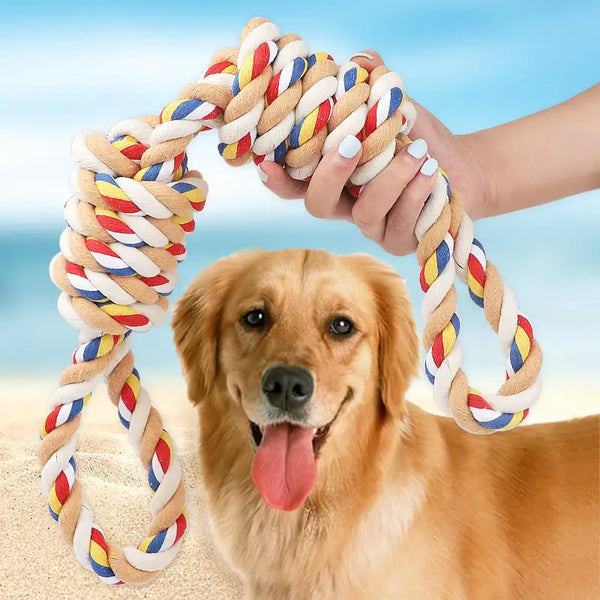
Rope toys that are badly frayed or unraveling should be replaced rather than washed. When it is time for a fresh option, compare rope dog toys designed for chewing and play.
How should rubber, nylon, and hard plastic toys be cleaned?
Hand-wash rubber, nylon, and hard plastic toys with warm water, mild soap, and a dedicated soft brush. Scrub grooves, treat openings, and textured surfaces, then rinse until the water runs clear. Let toys dry with openings facing down. Replace any item that has sharp cracks, missing chunks, or a sticky surface.
Use a brush for grooves and treat openings
Food residue and saliva collect in the places that fingers cannot reach. A dedicated bottle brush or soft toothbrush can clean grooves without scratching the toy. For hollow toys, flush water through every opening. Rotate the toy during rinsing so trapped soap and crumbs can escape.
Skip unapproved high-heat methods
Do not assume a hard toy is dishwasher-safe. Heat can warp some plastics, weaken adhesives, or change rubber texture. Only use a dishwasher when the manufacturer's directions explicitly approve it. Hand washing takes a little longer, but it gives you more control over temperature and lets you inspect the surface closely.
Test the toy after cleaning
Once dry, bend or squeeze flexible toys and inspect hard toys from every angle. A crack that opens under pressure can catch a tooth or release a small piece. If the toy feels sticky after a complete wash and rinse, its material may be breaking down. Replace it.
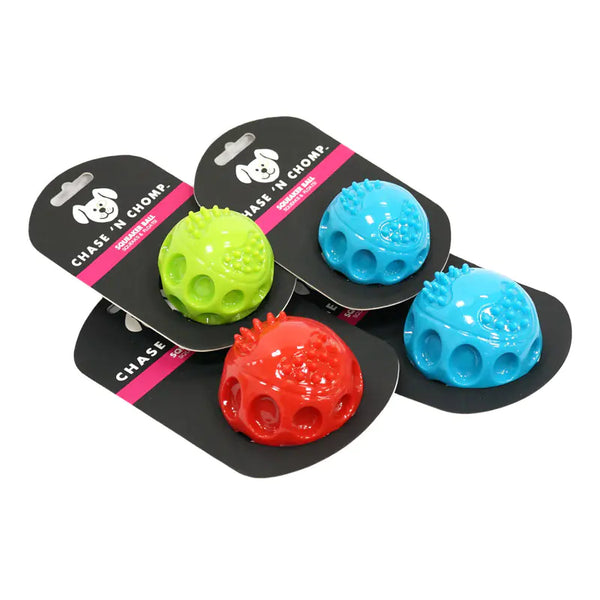
For dogs that enjoy active play, browse a bouncy interactive chew toy and choose a size and style appropriate for your dog.
How do you clean puzzle and electronic dog toys?
Clean puzzle and electronic toys by hand so water does not reach hidden mechanisms or battery compartments. Empty all food, remove detachable washable pieces, and wipe the main unit with a damp soapy cloth. Use a small brush for corners, wipe again with clean water, and let every component dry before reassembly.
Take puzzle toys apart carefully
Photograph the assembled puzzle before removing pieces if the layout is complicated. Wash removable non-electronic components according to their care instructions. For fixed tracks and sliding parts, use a damp cloth or cotton swab to loosen food residue. Never force a component that is not designed to come off.
Protect batteries and speakers
Turn electronic toys off and remove batteries before cleaning when possible. Keep charging ports, speakers, motors, and battery compartments dry. Do not submerge the main unit. If moisture enters an electronic component, stop using it and follow the manufacturer's guidance before turning it on again.
Shop Our Pets Place dog products for playtime, care, and everyday value.
How often should you clean dog toys?
Clean frequently used toys whenever they look dirty, smell stale, or collect food residue. A weekly inspection works well for most households, while food-stuffable toys should be washed after use. Clean more often when several pets share toys, a toy goes outdoors, or a pet has been ill. Always follow veterinary advice during illness.
A fixed schedule is helpful, but condition matters more than the calendar. A rubber toy filled with wet food needs attention sooner than a clean ball used briefly indoors. Keep a small basket for toys waiting to be washed so dirty items do not return to the clean rotation by accident.
Clean sooner after messy use
- Wash treat-dispensing toys after food has been inside them.
- Clean outdoor toys after contact with mud, standing water, or waste.
- Wash shared toys more often in multi-pet homes.
- Follow your veterinarian's cleaning guidance if a pet has a contagious illness.
Create a simple toy rotation
Keep enough toys available for play while one small batch is being washed and dried. Rotation makes inspections easier and can make familiar toys feel interesting again. Our Pets Place focuses on curated, value-conscious pet products, so owners can compare practical replacements without sorting through an overwhelming catalog.
When should you replace a dog toy instead of cleaning it?
Replace a dog toy when it has loose or missing pieces, exposed stuffing or squeakers, sharp cracks, badly frayed rope, a damaged battery compartment, or an odor that remains after proper washing and drying. Also retire a toy that has become too small for safe play or repeatedly breaks under your dog's chewing style.
Cleaning removes grime, but it does not restore structural strength. Make replacement decisions based on the individual toy and your dog's behavior. Strong chewers may need more frequent inspections and sturdier options. No toy is indestructible, so supervise play and remove damaged items promptly.
A quick replacement checklist
- Can your dog pull off or swallow a piece?
- Are sharp edges, wires, batteries, stuffing, or squeakers exposed?
- Has the material become cracked, sticky, brittle, or badly stretched?
- Does an unpleasant odor remain after the toy is fully washed and dried?
- Is the toy still an appropriate size for your dog?
If any answer raises concern, retire the toy. A replacement such as a durable dog chew toy may better match the dog's current play style, but every new toy still needs routine inspection.
Frequently asked questions
Can you wash dog toys with dish soap?
A small amount of mild, fragrance-free dish soap can be suitable for many hand-washable toys. Check the care instructions first, use a dedicated brush or basin, and rinse thoroughly until no suds or scent remain. Do not use any cleaner on a toy when its manufacturer advises against it.
Can dog toys go in the washing machine?
Many sturdy plush and rope toys can go in the washing machine if their care labels allow it. Place them in a mesh bag, choose a gentle cycle, and use mild fragrance-free detergent. Do not machine-wash electronic toys or toys with loose parts, damaged seams, or unapproved adhesives.
Can dog toys go in the dishwasher?
Only put a dog toy in the dishwasher when its manufacturer explicitly says the material and construction are dishwasher-safe. High heat can warp plastic, change rubber, or weaken glue. Hand washing is the safer default when instructions are missing or unclear.
How do you dry dog toys after washing?
Follow the care label. Air-dry toys in a ventilated place and position openings downward so water can drain. Check the center of plush and rope toys, not just the surface. Return toys to play only when they are fully dry and have passed a final damage inspection.
Keep every play session cleaner and safer
A good toy-care routine is simple: inspect, sort, wash with the right method, rinse completely, dry fully, and inspect again. This protects the toy's useful life while helping you notice damage before the next game begins.
Explore dog toys and pet essentials at Our Pets Place to find practical options for your dog's next play session.


